What Not to Put in Your Wastewater Treatment System
The bacteria that treat your wastewater are living organisms. These are the things that disrupt or kill them.
August 20, 2026 · 3 min read
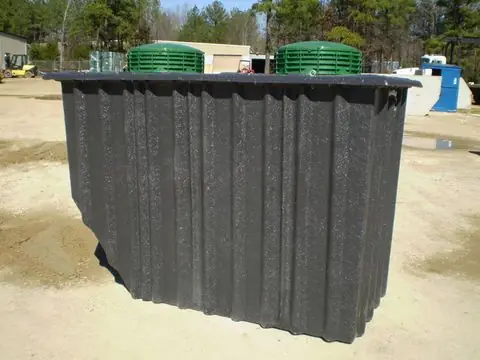
Why This Matters More for Aerobic Systems
Every wastewater treatment system depends on bacteria, but aerobic systems depend on a specific, oxygen-fed colony that does the heavy lifting. These microorganisms break down organic waste quickly and produce effluent that is dramatically cleaner than what a conventional septic tank manages. They do this well, and they do it reliably, as long as the colony stays healthy.
When something disrupts that colony, treatment quality drops until the population recovers. The system does not break in a mechanical sense. The bacteria die or go dormant, the remaining population cannot handle the incoming load, and the effluent leaving the tank carries more organic matter than it should. Prevention is simpler than recovery.
Strong Disinfectants and Bleach
Bleach, in the small amounts used for a load of laundry or wiping down a counter, will not harm the system. The bacterial colony is large enough to absorb normal household cleaning products. The problem is concentration: pouring a full bottle of bleach or a heavy dose of disinfectant directly into a drain delivers a slug of biocide straight to the bacteria before it has time to dilute.
The same applies to antibacterial cleaners, toilet bowl chemicals, and drain-cleaning products that advertise killing 99.9% of germs. They do exactly that inside your treatment tank, which is the one place you do not want them to.
Cooking Oils and Grease
Fats and oils float. They rise to the surface of the clarifying chamber and form a layer that the AK Skimmer handles during its nightly cycle. Small amounts from normal cooking are within the system's design capacity. But dumping a deep fryer's worth of used oil, or regularly pouring pan grease down the drain, overwhelms the skimming cycle and builds a mat thick enough to starve the bacteria beneath it of oxygen.
Collect cooking grease in a container and dispose of it with solid waste. It is the single easiest thing a homeowner can do to protect the system.
Non-Biodegradable Solids
Aerobic bacteria digest organic material. They cannot digest plastic, synthetic fibers, or compressed cellulose that does not break down in water. Items that should never enter the system:
- Disposable diapers
- Tampons and sanitary napkins
- Cigarette butts and filters
- Dental floss
- Cotton swabs with plastic shafts
- "Flushable" wipes, which do not dissolve the way toilet paper does
These items accumulate in the tank. They do not break down, they take up volume, and they can obstruct the flow between chambers. A conventional septic tank has the same problem, but an aerobic system's internal geometry is more precise, so blockages cause trouble sooner.
Water Softener Discharge
Water softeners regenerate by flushing concentrated salt brine through the resin bed. That brine, if routed to the treatment system, delivers a high-salinity slug that can kill aerobic bacteria or suppress their activity for days. If your home has a water softener, route its discharge line away from the treatment system entirely. Most installations run it to a separate dry well or a dedicated drain.
Medications
Prescription and over-the-counter drugs flushed down the drain reach the treatment tank intact. Antibiotics are the obvious concern because they are literally designed to kill bacteria, but other medications, including hormones, pain relievers, and psychiatric drugs, can also disrupt microbial activity or pass through treatment unchanged. Unused medications should go to a pharmacy take-back program or into household trash, sealed in a bag, never down a drain.
What IS Safe
Normal household use is exactly what the system is built for. Human waste, toilet paper, food particles from a garbage disposal, laundry water with standard detergent, bath and shower water, dishwasher runoff: all of it falls within the Clarifying Trio's design capacity. The list of restricted items is short precisely because the range of safe inputs is wide.
If you have a question about whether a specific product or substance is safe for your system, AquaKlear can give you a direct answer. Call (877) 936-7711.
AquaKlear, Inc., (601) 936-7711
Call (601) 936-7711More articles
Aerobic vs. Septic: What Homeowners Should Know Before Choosing
Two systems that handle the same job in fundamentally different ways, and the practical differences a homeowner will notice.
How the Clarifying Trio Treats Wastewater in a Single Tank
Three stages, one tank, and a nightly cleaning cycle that runs on its own.