Aerobic vs. Septic: What Homeowners Should Know Before Choosing
Two systems that handle the same job in fundamentally different ways, and the practical differences a homeowner will notice.
August 20, 2026 · 3 min read
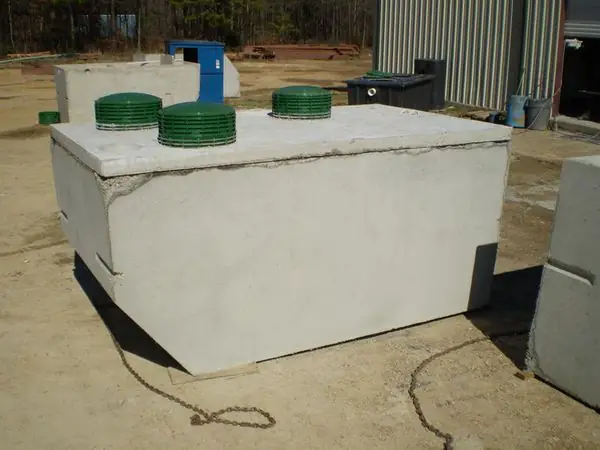
How a Traditional Septic Tank Works
A conventional septic system relies on gravity and anaerobic bacteria. Wastewater flows from your house into a buried tank where solids settle to the bottom and form sludge. Lighter materials float to the top as scum. Anaerobic bacteria, which live without oxygen, slowly break down some of the organic matter in between. The partially treated liquid, called effluent, then flows out to a drain field where soil filters it further before it reaches groundwater.
This process is slow. The bacteria that work without oxygen are less aggressive than their aerobic counterparts. They reduce organic content, but the effluent leaving a conventional tank still carries a significant biological load. That is why a properly sized drain field is critical: the soil is doing most of the real treatment work.
How an Aerobic Treatment System Works
An aerobic system forces air into the wastewater. A compressor pushes air through a fine-bubble diffuser at the bottom of the tank, saturating the liquid with dissolved oxygen. Aerobic bacteria, the same kind that thrive in rivers and streams, feed on the waste far more aggressively than anaerobic bacteria. They consume organic solids faster, reduce them more completely, and produce effluent that is dramatically cleaner.
AquaKlear's design adds a clarifying stage after aeration. Processed particulate settles or is skimmed back for another pass, so only fully treated water exits. The result is effluent that is 98.8% cleaner than what entered the system, with no odor. That figure comes from nine months of continuous NSF International testing, not a marketing estimate.
Footprint and Layout
Traditional septic requires a large tank plus a separate distribution box and a substantial drain field. The drain field alone can consume hundreds of square feet of yard space, and that area cannot be paved, built over, or planted with deep-rooted trees.
An aerobic system is compact. AquaKlear uses a single-tank, all-in-one design with no external distribution box. For properties with limited space, difficult soil conditions, or high water tables, that smaller footprint can be the difference between a workable system and none at all.
What Homeowners Notice Day to Day
With a conventional septic tank, the drain field can develop odor if the system is overloaded or the soil becomes saturated. Heavy-use days, like hosting a gathering or running multiple loads of laundry, can overwhelm an undersized system. Recovery is slow because anaerobic bacteria reproduce at a fraction of the rate that aerobic bacteria do.
Aerobic systems rebound fast. AquaKlear's system recovers within 24 hours after heavy use. The air supply keeps the bacterial population large and active, so a spike in flow does not crash the biology. And because the treatment is more complete, the discharge is odorless.
Maintenance Differences
Conventional septic tanks need pumping every three to five years. If the drain field fails, replacement is expensive and disruptive because it involves excavation.
Aerobic systems have a compressor that runs continuously, and that compressor will eventually need replacement. Beyond that, AquaKlear systems have no internal moving parts. Mr. Tucker, the company's founder, installed a system at his own home in 2004. In over 20 years, the only maintenance was one compressor change and a filter replacement.
Which One Fits Your Property
The choice usually comes down to three factors: available space, soil conditions, and the level of treatment your county or state requires. Properties with plenty of room and good percolation rates can often use a conventional tank. Properties where space is tight, soil is clay-heavy, or regulations require cleaner discharge before it reaches groundwater are better served by an aerobic system.
If you are unsure which applies to your property, AquaKlear can talk through the options. Call (877) 936-7711.
AquaKlear, Inc., (601) 936-7711
Call (601) 936-7711More articles
How the Clarifying Trio Treats Wastewater in a Single Tank
Three stages, one tank, and a nightly cleaning cycle that runs on its own.
Maintaining Your Aerobic Treatment System: What Homeowners Need to Do
Aerobic systems need less intervention than most homeowners expect, but there are a few things that keep them running right.